The 10 Best Herbs to Grow Indoors Year-Round
You don't need a backyard, a raised bed, or even a patio to enjoy fresh herbs every day. A sunny windowsill, a few good pots, and the right varieties are all it takes to have fragrant, flavorful herbs at your fingertips through every season — including winter in Connecticut.
Growing herbs indoors is one of the most rewarding and practical things a home gardener can do. Fresh herbs cost between $3 and $5 per bunch at the grocery store — a bundle that wilts in your fridge within days. A single healthy basil plant, properly cared for, will yield more leaves than you can use all summer long, for a one-time investment of a few dollars.
But not all herbs are equally suited to indoor life. Some demand outdoor conditions, high humidity, or intense summer sun to truly thrive. The ten herbs below are all excellent indoor performers — productive, forgiving, and genuinely useful in the kitchen.
What Every Indoor Herb Garden Needs
Before diving into specific herbs, let's cover the universal requirements. Get these right and most herbs will grow well for you regardless of the variety.
- Light: Most culinary herbs need 6–8 hours of direct or bright indirect sunlight daily. A south- or west-facing window is ideal. In winter in Connecticut, even a south-facing window may not provide enough light — a simple grow light set to 14 hours per day solves this completely and inexpensively.
- Drainage: This is non-negotiable. Every container must have drainage holes. Herbs sitting in standing water will develop root rot within days. Use pots with holes and saucers, never sealed containers.
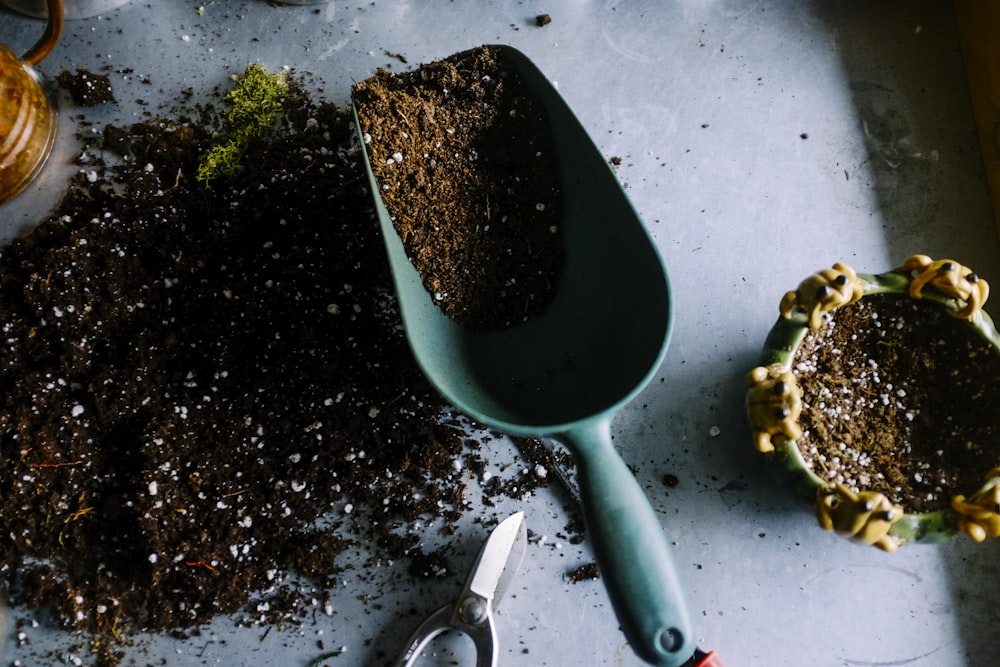
- Soil: Use a high-quality potting mix, not garden soil. Garden soil compacts in containers, prevents drainage, and can introduce pests and disease. A mix formulated for herbs or vegetables works well; add 20% perlite for extra drainage.
- Watering: The most common cause of indoor herb death is overwatering. Check moisture 1 inch below the surface before watering. If it feels damp, wait. Most herbs prefer to dry out slightly between waterings.
- Temperature: Most herbs prefer temperatures between 60°F and 75°F — comfortable room temperature. Keep them away from cold drafts near windows in winter and from heat vents that dry the air.
The 10 Best Herbs for Indoor Growing
Basil is the queen of the kitchen herb garden, and it can absolutely be grown indoors — but it demands more light than almost any other herb. A south-facing window or a grow light is essential. Basil sulks in temperatures below 60°F and will drop leaves rapidly in a cold draft.
The key to a productive basil plant is regular harvesting. Pinch stems just above a leaf node, never removing more than a third of the plant at once, and always pinch off flower buds the moment they appear. Letting basil flower triggers the plant to stop producing new leaves. A well-managed basil plant can produce fresh leaves for six months or more.
Best varieties for indoors: Genovese (classic), Spicy Globe (compact and bushy, ideal for pots), Lettuce Leaf (large leaves, very productive).
Chives are among the most forgiving herbs you can grow indoors. They tolerate lower light levels than most culinary herbs, bounce back quickly from heavy cutting, and will keep producing as long as you give them a little fertilizer every few weeks. They're also remarkably cold-tolerant — a chive plant on a cool windowsill in January will still produce when basil has long given up.
Harvest by snipping the outer leaves at the base, leaving the center to continue growing. A 6-inch pot of chives will supply all the fresh chives a family of four needs for salads, eggs, and garnishes throughout the year.
Mint is so vigorous indoors that the only challenge is keeping it from taking over. It tolerates lower light, irregular watering, and temperature fluctuations that would stress other herbs. Grow mint in its own pot — it spreads aggressively by underground runners and will crowd out anything it's planted with.
Regular cutting keeps mint bushy and productive. The more you harvest, the more it grows. Spearmint, peppermint, and chocolate mint are all excellent indoor performers. Apple mint is slightly more finicky but worth growing for its mild, fruity flavor.
Parsley is a biennial that behaves like an annual in most home gardens. Indoors, a well-grown parsley plant will produce abundantly for a full year before going to seed. Start from transplants rather than seed for indoor growing — parsley seed is notoriously slow to germinate, sometimes taking three or more weeks.
Both flat-leaf (Italian) and curly parsley grow well indoors. Flat-leaf has better flavor for cooking; curly is prettier and more compact. Harvest from the outside of the plant inward, taking whole stems rather than just the tips.
Thyme is a Mediterranean herb that loves dry conditions and full sun — conditions that indoor environments often approximate reasonably well, especially near radiators in winter. It's one of the most drought-tolerant culinary herbs you can grow, making it exceptionally forgiving of irregular watering.
Common thyme (Thymus vulgaris) is the standard culinary variety. Lemon thyme adds a citrus note that's excellent with fish and chicken. Both grow as compact, woody shrubs indoors and need only minimal trimming to stay productive. Water only when the soil is completely dry.
Rosemary can be a challenging indoor herb, but it's enormously rewarding when you get the conditions right. It needs as much light as possible, excellent drainage, and good air circulation. The most common cause of indoor rosemary death is overwatering combined with poor drainage.
Use terracotta pots rather than plastic — they breathe and dry out faster. Water thoroughly, then allow the soil to dry completely before watering again. In Connecticut homes during winter, when heating systems dry the air significantly, occasional misting of the foliage (not the soil) helps prevent the needle-drop that indicates stress.
Oregano is one of the most low-maintenance culinary herbs you can grow. Like thyme, it's Mediterranean in origin and thrives in hot, dry, sunny conditions. It tolerates drought well, recovers quickly from cutting, and has minimal pest problems indoors.
Greek oregano (Origanum vulgare subsp. hirtum) has the strongest flavor — the variety used in Italian and Greek cooking. Mexican oregano (Lippia graveolens) is a different plant entirely with a stronger, more citrus-forward flavor excellent for Tex-Mex dishes. Both grow well indoors with adequate sun.
Lemon balm is a mint-family herb with a fresh, citrusy scent and flavor that's underused in most kitchens but genuinely versatile — wonderful in teas, salad dressings, compound butters, and as a garnish for desserts. Indoors, it's one of the easiest herbs to grow, tolerating lower light and irregular watering with aplomb.
Like mint, lemon balm grows vigorously. Regular harvesting keeps it from becoming leggy. It can be grown in the same pot as other herbs if you have limited space — just be prepared to keep it pruned.
Bay laurel is a slow-growing Mediterranean tree that can live indoors for decades in a large pot. It tolerates drought, low humidity, and lower light levels better than most culinary herbs. A mature bay plant — even a small one — will produce more fresh bay leaves than any home cook could use.
Fresh bay leaves are far more flavorful than the dried ones sold in jars. The difference in a slow-cooked stew, a pot of beans, or a béchamel sauce is remarkable. Bay grows slowly, so start with the largest plant you can find — a 12–18 inch specimen is ideal as a starter.
For those who love cilantro but find it bolts too quickly, Vietnamese coriander (Persicaria odorata) is a revelation. It has a flavor remarkably similar to cilantro — bright, herbal, slightly citrusy — but it's a perennial that doesn't bolt, tolerates heat, and grows vigorously indoors.
It's less commonly found at garden centers but easy to source online. Once you have a plant, you can propagate it endlessly from cuttings in water. A single plant kept indoors will supply cilantro-like flavor year-round with almost no effort.
Setting Up Your Indoor Herb Garden
The most effective indoor herb setup is a dedicated grow space near your best light source. Group herbs with similar water needs together — drought-tolerant herbs like rosemary, thyme, and oregano in one group; moisture-loving herbs like basil, parsley, and mint in another.
If natural light is limited, a simple LED grow light on a timer makes all the difference. Set it to 14–16 hours per day in winter, 12–14 hours in summer. Modern LED grow lights are energy-efficient and run cool — no fire risk even if positioned close to plants.
Feed your indoor herbs with a diluted balanced liquid fertilizer (we recommend a half-strength fish emulsion or liquid kelp) every two to three weeks during the growing season, and once a month or less in winter when growth slows.
With a little attention to light, drainage, and watering, your indoor herb garden will become one of the most-used corners of your home — and one of the most satisfying to tend.
Have questions about setting up your herb garden? Reach us at contact@rootropics.online or call (203) 719-5617.