
How to Build Your First Raised Garden Bed: A Complete Guide for New England Gardeners
Raised beds are one of the single best investments a new gardener can make. Better drainage, warmer soil earlier in the season, fewer weeds, and complete control over your growing medium — here's everything you need to get started.
If you've been thinking about starting a vegetable garden but feel overwhelmed by the idea of digging up your lawn, dealing with poor native soil, or battling drainage issues, a raised garden bed is your answer. In Connecticut and throughout New England, raised beds give home gardeners a powerful head start — and once you build your first one, you'll wonder why you waited so long.
This guide walks you through every step: choosing your location, selecting materials, building the frame, filling it with the right soil mix, and getting your first plants in the ground. By the end, you'll be ready to build with confidence.
Why Raised Beds Work So Well in Connecticut
Connecticut sits in USDA Hardiness Zones 6a and 6b, with parts of the coastline reaching Zone 7. Our growing seasons are relatively short — typically from mid-May through early October — which means every week counts. Raised beds give you a meaningful advantage:
- Soil warms faster in spring. Elevated beds drain quickly and absorb sunlight from the sides, meaning you can plant 2–3 weeks earlier than in-ground gardeners.
- You control the soil completely. Connecticut's native soil is often compacted, clay-heavy, or nutrient-poor. In a raised bed, you build exactly the growing medium your plants need.
- Drainage is built in. New England gets significant rainfall. Raised beds shed excess water naturally, reducing the risk of root rot and fungal disease.
- Weeding is drastically reduced. By filling your bed with clean soil and compost, you introduce far fewer weed seeds than disturbing native ground soil.
- Ergonomics. A well-built 12-inch-tall raised bed means far less bending — your back will thank you by August.
In Connecticut, aim to have your raised bed built and filled by late April so the soil has time to warm before your first transplants go in around May 15th — our typical last frost date for Fairfield and New Haven counties.
Step 1: Choose the Right Location
Before you buy a single board, walk your yard at different times of day and observe sunlight. Most vegetables need a minimum of 6 hours of direct sunlight daily — 8 hours is ideal. Tomatoes, peppers, squash, and cucumbers especially need full sun to produce well.
What to look for in a site:
- Full sun from mid-morning through late afternoon (south or west-facing spots are ideal)
- Level ground, or ground you can level easily
- Access to a water source — dragging hoses long distances gets old fast
- Good air circulation — avoid areas hemmed in by fences or dense shrubs, which promote fungal disease
- At least 18 inches from wooden structures, which can leach chemicals into soil
Also consider proximity to your kitchen. Studies consistently show that gardeners who can step outside and harvest in 30 seconds actually harvest more, waste less, and use their gardens more creatively than those who have to walk to a far corner of the yard.
Step 2: Choose Your Materials
The most common raised bed material is wood, and for most home gardeners it's the best choice — affordable, workable, and natural-looking. But not all wood is equal.
Best wood choices:
- Cedar — The gold standard. Naturally rot-resistant, insect-repelling, and beautiful. Untreated cedar can last 10–20 years in the ground. Worth the extra cost.
- Redwood — Similar properties to cedar. Harder to find in the Northeast but excellent if you can source it.
- Douglas Fir — Less rot-resistant but significantly cheaper. Will last 5–7 years with proper soil drainage. A good starter option.
- Black Locust — Extremely durable, locally available in New England, and naturally rot-resistant. Often overlooked but excellent.
What to avoid:
- Pressure-treated lumber (older CCA type) — Contains arsenic and chromium. Never use for food gardens.
- Railroad ties — Treated with creosote, a coal tar derivative that leaches into soil.
- Painted or stained wood — Finishes can contain heavy metals and other compounds.
Post-2003 pressure-treated lumber uses ACQ (alkaline copper quaternary) instead of arsenic-based treatments and is generally considered safe for raised beds by the USDA and EPA. However, we still recommend cedar or untreated fir for anyone growing food crops, particularly for children's gardens.
Step 3: Determine Your Size
The most important sizing rule for raised beds: never build wider than you can comfortably reach across. The entire point of a raised bed is being able to tend every inch without stepping inside — stepping on garden soil compacts it and destroys the pore structure you're working so hard to create.
- Width: 3 feet if you access from one side; 4 feet if you access from both sides. These numbers allow the average adult to reach the center comfortably.
- Length: Flexible. 4×8 feet is the most popular size and the most efficient use of standard 8-foot lumber with minimal waste. 4×12 is excellent if you have space.
- Height: 10–12 inches is the sweet spot for most vegetables. 6 inches works for shallow-rooted crops like lettuce and herbs. 18–24 inches is ideal for root vegetables like carrots and parsnips, or for gardeners who want to avoid bending entirely.
Step 4: Build the Frame
A basic 4×8 raised bed requires minimal tools and can be assembled in under two hours.
Materials for a standard 4×8 bed (12 inches tall):
- Three 2×12×8 cedar boards (two sides + cut one in half for the ends)
- Four 4×4 corner posts cut to 12 inches (optional but adds rigidity)
- 3-inch exterior screws (stainless steel or hot-dipped galvanized)
- Drill and drill bits
- Level
- Measuring tape and pencil
Assembly steps:
- Cut your boards to length if needed. For a 4×8 bed using 2×12s: two 8-foot boards for the long sides, two 4-foot boards for the ends (cut from your third board).
- Pre-drill holes near the ends of each board to prevent splitting.
- Attach the end boards to the long side boards using 3-inch screws. Two screws per corner is minimum; three is better.
- If using corner posts, cut 4×4s to the height of your frame and attach the boards to the posts instead of to each other — this is stronger and longer-lasting.
- Set the completed frame in position and use a level to ensure it's even. For sloped ground, dig down on the high side rather than shimming up the low side.
- Optional: Line the bottom with hardware cloth (½-inch mesh galvanized steel) stapled to the underside of the frame to deter voles and moles.
Many gardeners line the bottom of raised beds with landscape fabric. We don't recommend it. It prevents earthworms from entering from below, interferes with drainage over time as it clogs with roots and debris, and eventually breaks down into microplastic fragments in your garden. Simply placing your bed on bare soil or grass is sufficient — the grass will die under the soil and become organic matter.
Step 5: Fill It With the Right Soil
This is where most beginners make their biggest mistake: buying cheap topsoil or garden soil from a hardware store and wondering why nothing grows well. The soil in your raised bed is everything — it's the foundation of every plant you'll grow. Invest in it properly.
The classic raised bed mix (Mel's Mix modified):
- 1/3 aged compost — The most important ingredient. Rich in nutrients, beneficial microbes, and organic matter. Source from multiple suppliers if possible for diversity.
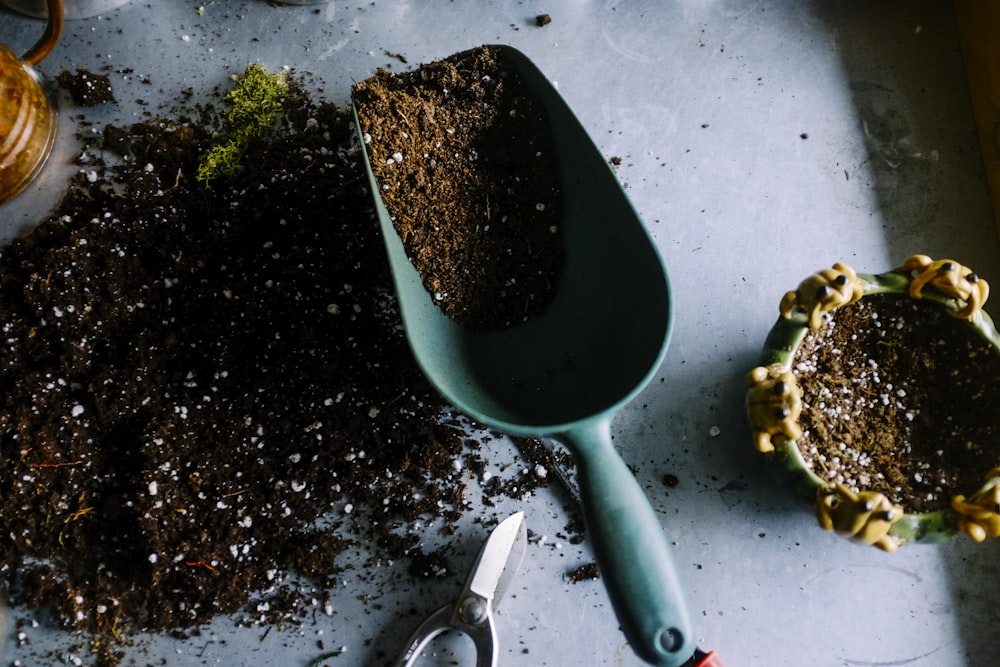
- 1/3 perlite — Volcanic glass that creates air pockets, prevents compaction, and ensures excellent drainage. Don't skip it.
- 1/3 coco coir or peat moss — Adds water retention and structure. We prefer coco coir over peat for environmental reasons — peat harvesting depletes ancient bogs.
For a 4×8×1 foot bed, you need approximately 32 cubic feet (about 1.2 cubic yards) of soil mix. Calculate based on your actual dimensions: length × width × height in feet = cubic feet needed.
How to calculate soil volume:
Length (ft) × Width (ft) × Height (ft) = Cubic Feet. Divide by 27 to convert to cubic yards. Most bulk soil suppliers sell by the yard.

Step 6: What to Plant First
For Connecticut gardeners starting their first raised bed in spring, here are the most reliable, rewarding crops to start with:
Start in mid-April (cool-season crops):
- Lettuce varieties (especially butterhead and loose-leaf)
- Spinach
- Arugula
- Radishes (ready in 25–30 days — instant gratification)
- Peas (direct sow against a trellis)
- Swiss chard
Start after May 15 (warm-season crops):
- Tomatoes (transplants, not seeds — start indoors in March)
- Basil
- Zucchini and summer squash
- Cucumbers
- Green beans (direct sow)
- Peppers
Don't plant all your lettuce at once. Stagger plantings every two to three weeks so you get a continuous harvest rather than 30 heads maturing simultaneously. This is called succession planting and it's one of the most valuable techniques for small-space gardeners.
Maintenance Through the Season
Once your raised bed is built and planted, maintaining it is simpler than you might expect:
- Watering: Check soil moisture 2 inches below the surface daily during summer. Water deeply and less frequently rather than shallowly and often. Drip irrigation or soaker hoses are ideal.
- Fertilizing: A well-made soil mix needs minimal added fertilizer in the first year. A monthly top-dress of compost and an occasional liquid seaweed or fish emulsion is usually sufficient.
- Mulching: Apply 2–3 inches of straw or shredded leaves around plants to retain moisture, regulate temperature, and suppress weeds.
- End of season: In October, pull spent plants, add 2–3 inches of compost to the bed surface, and cover with straw or a layer of leaves. The bed will self-improve over winter as earthworms and microbes work the organic matter into the soil.
Final Thoughts
Building your first raised bed is one of the most satisfying projects a home gardener can undertake. In a single weekend, you'll create a growing space that will feed your family for years to come. The investment in good materials and quality soil pays dividends every single season — in better harvests, less labor, and the profound satisfaction of eating food you grew with your own hands.
Start with one bed. Master it. Then build more. Most gardeners who start with a single 4×8 bed are building their fourth or fifth within three years.
Questions about building or filling your raised bed? Contact us at contact@rootropics.online or call us at (203) 719-5617. We're happy to help.