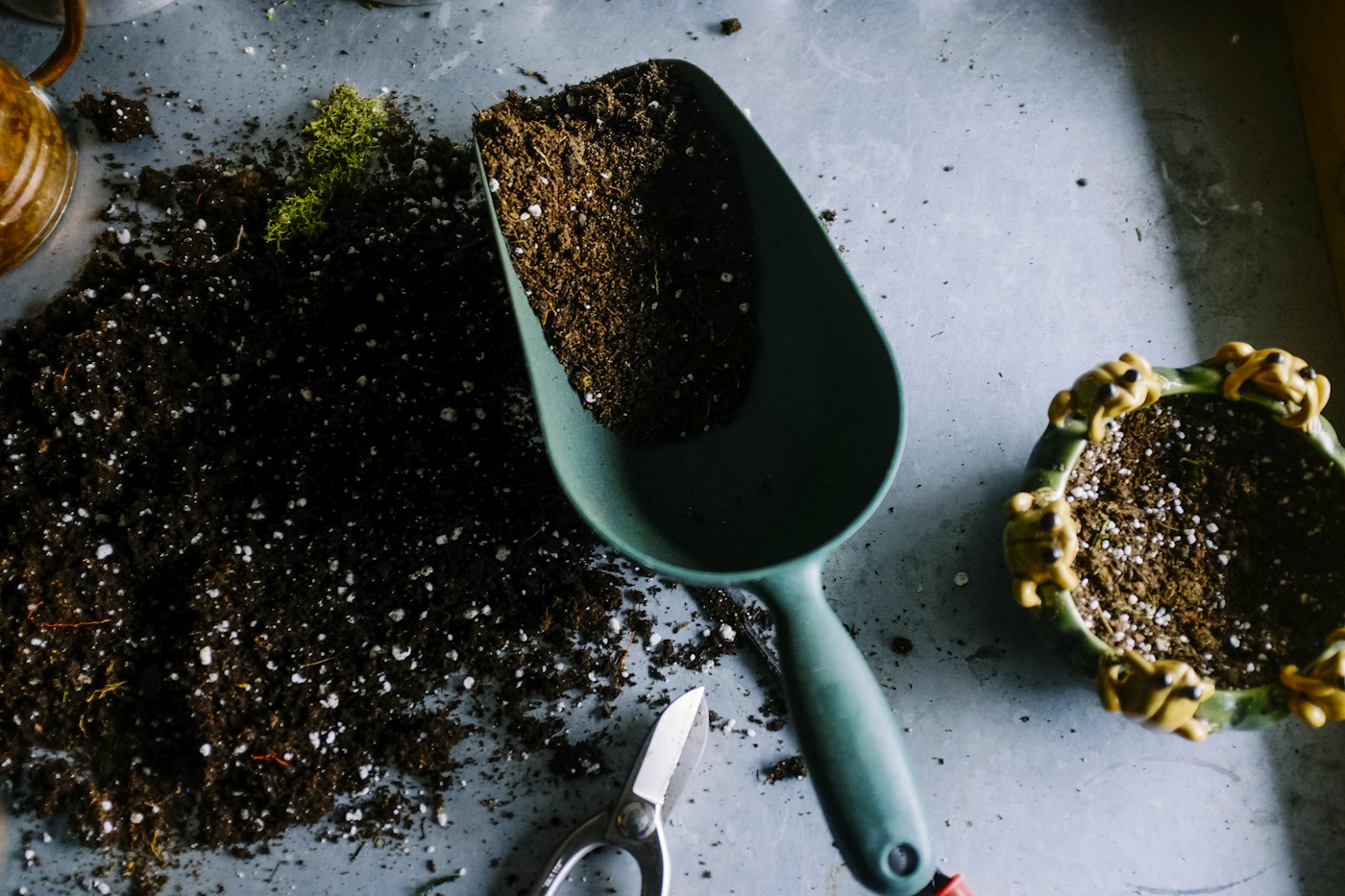
Great gardens are built from the ground up — literally. Before you plant a single seed, understanding what's in your soil will save you seasons of frustration and help you grow the healthiest, most productive garden of your life.
Most gardening problems — yellowing leaves, stunted growth, poor yields, persistent pests — trace back to soil. Not to the plants, not to the weather, and usually not to bad luck. Soil is the invisible foundation of everything that grows, and learning to read and improve it is the single most valuable skill a gardener can develop.
The good news: understanding your soil doesn't require a chemistry degree. A basic soil test, a willingness to read the results, and a few well-chosen amendments are all you need to transform poor soil into a thriving growing medium.
Healthy garden soil is not just dirt. It's a living ecosystem containing billions of bacteria, fungi, nematodes, earthworms, and other organisms per teaspoon. These living things — collectively called the soil food web — break down organic matter, cycle nutrients, build soil structure, and protect plants from disease. Everything we do as gardeners either supports or disrupts this web.
Physically, healthy garden soil has good structure: it crumbles easily in your hand, doesn't compact when wet, drains well while retaining enough moisture for roots, and has visible organic matter running through it. In New England, our native soil is often heavy with clay or depleted glacial sand — neither ideal for vegetables. Understanding and amending these native conditions is where soil science becomes practical.
pH measures the acidity or alkalinity of your soil on a scale from 0 (extremely acidic) to 14 (extremely alkaline), with 7 being neutral. Most vegetables grow best in a pH range of 6.0 to 7.0, with 6.5 being the sweet spot for the widest range of crops.
Why does pH matter so much? Because it controls nutrient availability. Even if your soil is packed with nutrients, plants can't access them if the pH is out of range. Nitrogen, phosphorus, and potassium — the big three — are most available between pH 6.0 and 7.0. At lower pH (more acidic), iron and manganese can become toxic; at higher pH (more alkaline), iron, manganese, zinc, and copper become locked up and unavailable.
Connecticut soils tend toward acidity — typically in the 5.5 to 6.5 range — due to our high rainfall, which leaches calcium and magnesium from the soil, and our abundance of naturally acidic organic matter like pine needles and oak leaves. Most vegetable gardeners in our state need to raise pH slightly, not lower it.
Never add lime or sulfur without testing first. Over-correcting pH is as harmful as leaving it uncorrected. The UConn Soil Nutrient Analysis Laboratory offers comprehensive soil testing for Connecticut gardeners at very reasonable rates. A basic test costs under $15 and tells you pH, organic matter, and major nutrients.
Fertilizer labels show three numbers — for example, 10-5-5. These represent the percentage by weight of nitrogen (N), phosphorus (P), and potassium (K) in the product. Understanding what each does helps you choose the right amendment for your specific situation.
Nitrogen is responsible for leafy, vegetative growth. It's the nutrient plants consume in the largest quantities and the one most likely to be deficient. Symptoms of nitrogen deficiency: older leaves turn yellow and pale, starting from the bottom of the plant and working upward. Plants look stunted and light-colored overall.
Organic nitrogen sources: blood meal (fast-release, 12-0-0), feather meal (slow-release), fish emulsion (3-4-3), composted manure (1-2-0 approximately), and cover crops like clover and vetch that fix atmospheric nitrogen into the soil.
Phosphorus supports root development, flower formation, and fruit set. It moves very slowly through soil and doesn't leach in rain. Deficiency symptoms: leaves take on a purple or red tint, particularly on the undersides; plants are slow to flower and set fruit. Most Connecticut soils have adequate phosphorus — over-application is actually a common problem that can cause runoff pollution.
Organic phosphorus sources: bone meal (3-15-0), rock phosphate (0-3-0, very slow release), and compost.
Potassium regulates water movement in and out of cells, strengthens cell walls, and helps plants resist disease, drought, and cold. Deficiency symptoms: brown, scorched-looking leaf edges, weak stems, poor fruit quality. Potassium is most likely to be deficient in sandy soils that drain quickly.
Organic potassium sources: greensand (0-0-3, very slow), kelp meal (1-0-2 plus trace minerals), wood ash (0-1-3, also raises pH significantly), and compost.
Beyond the big three, plants need calcium, magnesium, and sulfur in smaller but still significant quantities, plus trace amounts of iron, manganese, zinc, copper, boron, and molybdenum. Deficiencies in these nutrients produce specific, diagnosable symptoms:
If there's one amendment every garden needs, it's compost. Adding 2–4 inches of high-quality compost to your garden every year improves virtually every soil problem simultaneously: it raises organic matter content, improves drainage in clay soils, improves water retention in sandy soils, adds slow-release nutrients, feeds the soil food web, buffers pH extremes, and suppresses certain soil-borne diseases.
You cannot over-apply compost in typical garden quantities. Adding several inches per year is standard practice on high-producing market gardens. Start with whatever you can source — homemade compost, purchased bagged compost, or bulk delivery from a local supplier — and your soil will visibly improve season after season.
If you do nothing else this season: get a soil test, correct your pH if needed, and add 3 inches of quality compost to every bed. This single practice, repeated annually, will produce better results than any fertilizer program, any exotic amendment, or any other intervention. Healthy soil grows healthy plants — it really is that simple.
The UConn Soil Nutrient Analysis Laboratory (SOILTEST Lab) at the College of Agriculture, Health and Natural Resources is the best resource for Connecticut gardeners. Submit a sample in fall for the most useful results — amendments applied in fall have all winter to integrate before spring planting.
To take a good soil sample: collect small amounts of soil from 10–15 spots across your garden at a depth of 6 inches, mix them thoroughly in a clean bucket, and send approximately one cup of the mixed sample to the lab. The results will include pH, organic matter percentage, and levels of major nutrients with specific amendment recommendations for your target crops.
Retest every 2–3 years. As you add amendments and compost, your soil chemistry will evolve, and your amendment needs will change accordingly.
Questions about soil testing or amendments for your Connecticut garden? We're happy to help. Contact us at contact@rootropics.online or call (203) 719-5617.